Women Judges of Uzbekistan: Our Story and Vision
From a newly established national association to a growing professional community of more than 250 women judges, Uzbekistan's women judges are creating new opportunities for leadership, professional exchange and access to justice.
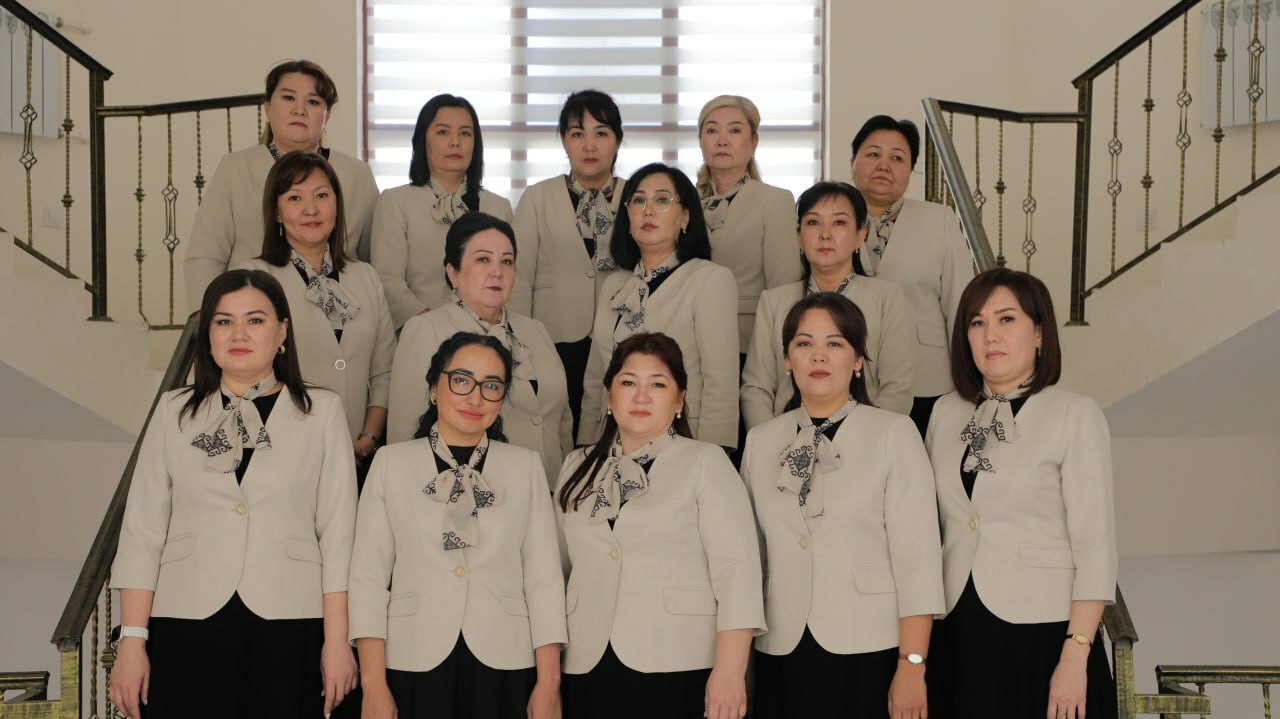
Members of the Association of Women Judges of Uzbekistan.
Our Story and Vision
Uzbekistan is a large and rapidly developing country, covering 448,924 square kilometres and home to more than 38 million people. Women make up almost half of the population. Uzbekistan is a secular state, and in recent years the country has experienced significant economic and social change, rising living standards and rapid technological development.
At the same time, national and cultural traditions remain an important part of society, including long-established views about the role of women in the family and community. Considerable progress has been made in advancing women's rights and opportunities, but challenges remain. Domestic and family violence, in particular, continues to be a serious social and legal issue. This makes legal awareness, access to justice and effective protection of women's rights especially important.
In recent years, Uzbekistan has also undertaken major judicial reforms aimed at strengthening the independence, effectiveness and openness of the judiciary and increasing public trust in the courts. Gender equality and greater participation of women in the judiciary have become part of this broader process. The initiative to establish the Association of Women Judges of Uzbekistan was supported by the President of the Republic of Uzbekistan.
Women currently make up approximately 16 percent of judges in Uzbekistan. Their number has gradually increased, but it became clear that women judges also needed a professional community of their own — a place where they could meet, exchange experience, learn from one another, develop their professional and leadership skills, and discuss issues that matter to the future of justice.
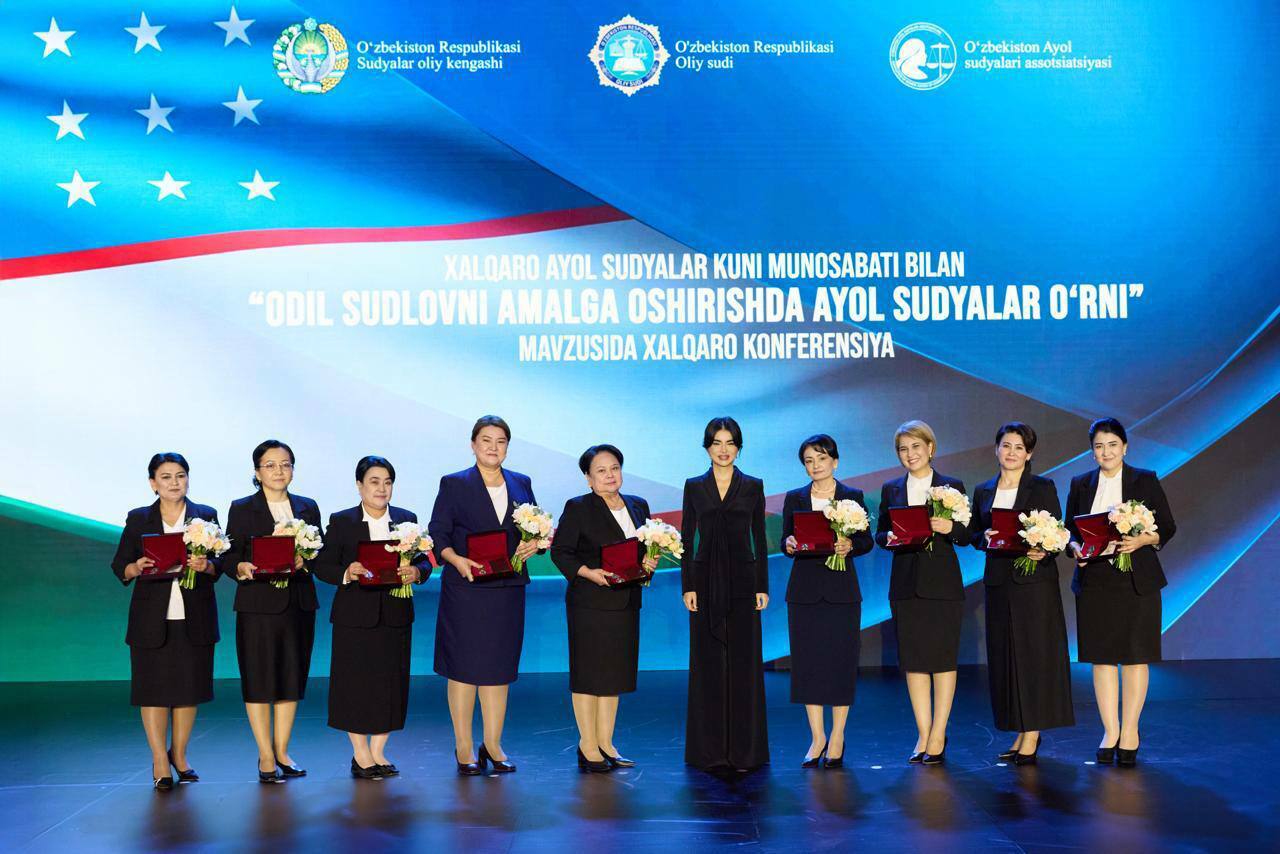
Women judges from across Uzbekistan are building a national professional community for exchange, learning and mutual support.
The idea behind the Association goes beyond increasing the number of women on the bench. We believe women judges make an important contribution to the justice system as professionals and decision-makers. Their experience can help strengthen public trust in the courts, improve access to justice and bring a deeper understanding of the social realities behind many of the cases that come before the courts, particularly those affecting women, children and families.
It was against this background that the Association of Women Judges of Uzbekistan was formally established on 27 February 2026. Its creation was publicly presented in March as part of events marking the International Day of Women Judges. It is the first national professional organization to bring together women judges from different regions, generations and areas of judicial practice.
|
250+ Women Judges
from across Uzbekistan are already members of the Association.
|
The response to this initiative has been very encouraging. Today, more than 250 women judges from across the country are members of the Association. This reflects a genuine interest among women judges in working together, supporting one another and contributing to the further development of the judiciary.
For us, the role of women judges is about much more than numbers. Women judges are professionals, decision-makers and active members of their communities. Their experience can help strengthen public trust, improve access to justice and contribute to a justice system that is more responsive to the needs of the people it serves.
At the heart of our work are three closely connected objectives:
|
TO UNITE
|
TO DEVELOP
|
TO PROTECT HUMAN RIGHTS
|
Where We Want to Go
One of our strategic goals is to contribute to increasing the proportion of women judges in Uzbekistan to 30 percent by 2030. This is an important target for us, but we do not see it simply as a matter of statistics. We want more qualified women to have the opportunity to enter the judiciary, develop professionally and take on leadership responsibilities.
This is why professional development and mentoring are central to our work. We want to create opportunities for women judges at different stages of their careers to exchange judicial experience, discuss difficult professional issues and learn from one another. Experienced judges have knowledge that cannot always be gained through formal training, and we believe that stronger links between generations of judges can be particularly valuable for younger colleagues.
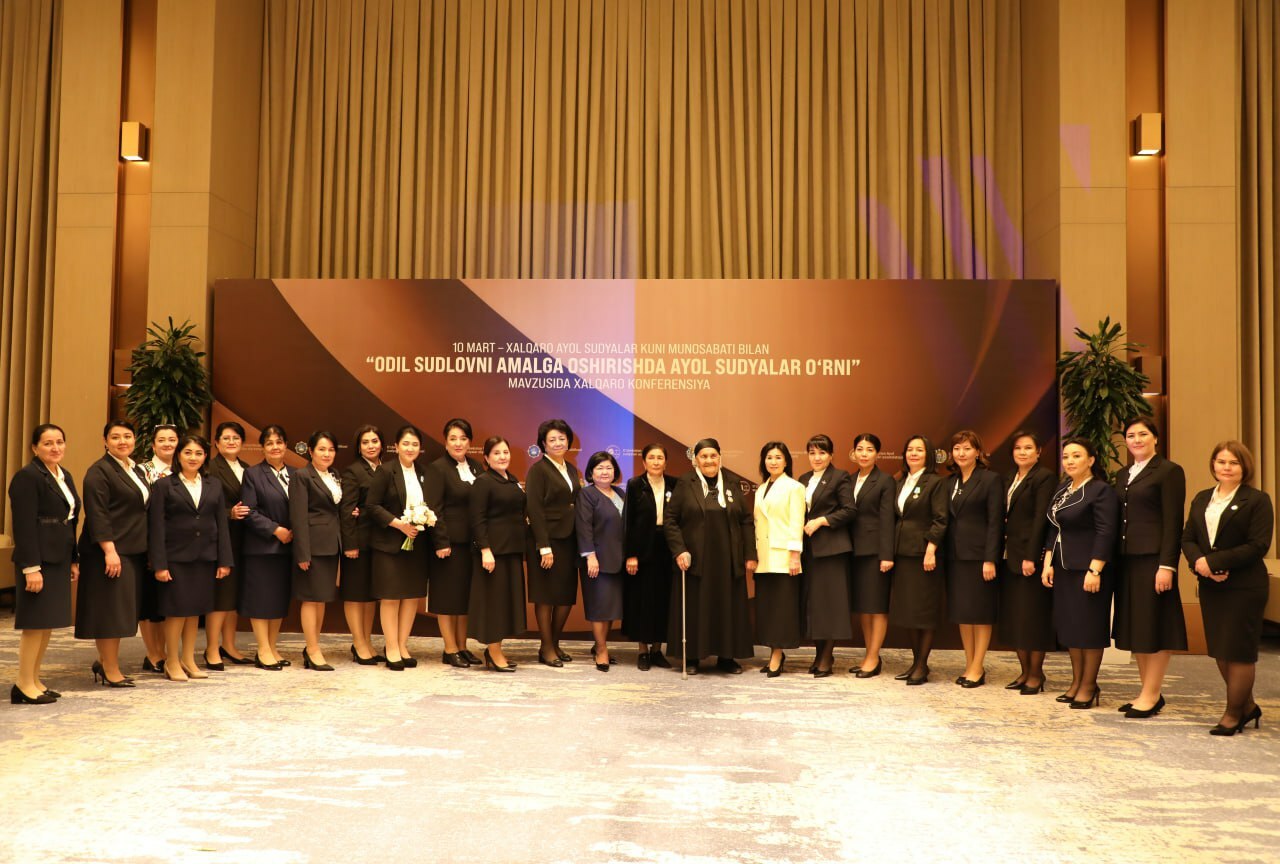
Strengthening professional development, mentoring and leadership is central to the Association's vision.
We also want to help women judges develop as leaders. Leadership in the judiciary is not only about holding a senior position. It is also about professional confidence, independence, responsibility and the ability to contribute to positive change within the justice system.
Judicial ethics and integrity are equally important to us. Public confidence in the courts depends not only on the quality of judicial decisions, but also on the independence, professionalism and conduct of judges. We therefore see the strengthening of professional ethics as an essential part of our work.
Our work is also closely connected with the protection of human rights. We are particularly concerned with the rights of women and children, as well as people in vulnerable or socially disadvantaged situations, including older persons and persons with disabilities. We want to better understand the barriers that prevent people from seeking legal protection and to contribute, within our professional role, to reducing those barriers.
Legal literacy is part of this work. Having rights is not enough if a person does not understand them, does not know where to turn for help or finds legal procedures too difficult to navigate. This is particularly important for women, young people, older persons, persons with disabilities and others who may need additional support in accessing justice.
Turning Ideas into Practical Work
One of the areas we are now developing is the use of digital tools to improve women's legal literacy and make it easier for them to seek judicial protection.
Uzbekistan is a large country, and digital technologies can help overcome both geographical and informational barriers. But we believe that technology should begin with the needs of people, rather than with technology itself.
|
“Digital technologies should not force people to adapt to the state; rather, legal and judicial services should adapt to people's needs.”
|
In July 2026, we presented this initiative at an international roundtable organized with the support of the Supreme Court of the Republic of Uzbekistan and UNDP. One of the ideas discussed was that before creating new digital legal resources, we first need to understand the real problems women face: what legal questions most often bring them to court, what information they find difficult to understand, what prevents them from seeking help earlier, and where the main barriers to judicial protection arise.
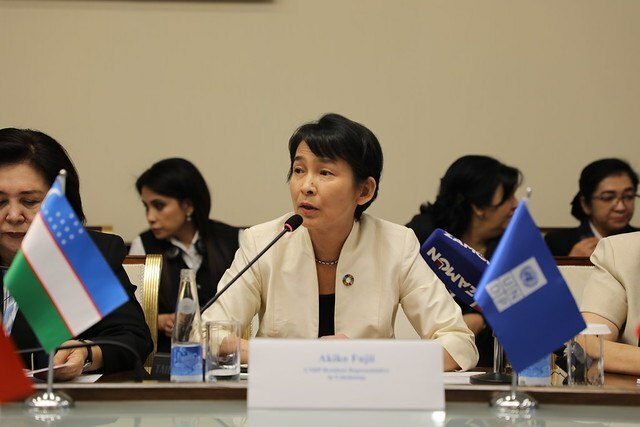
Akiko Fujii, UNDP Resident Representative in Uzbekistan, speaking at the launch of the Association of Women Judges of Uzbekistan.
We believe women judges can make a valuable contribution to this work because they see these difficulties in practice. Every day, courts deal with real human problems. Judges see where people misunderstand procedures, where legal information is too complicated and where a lack of knowledge may prevent someone from protecting her rights. This practical experience can help make legal information and digital services more useful and more accessible.
The “Trust” Digital Platform
We have already begun putting these ideas into practice. One of our first initiatives is the “Trust” digital platform, which explains legislation in clear and accessible language, focusing on the legal issues people most frequently encounter in their everyday lives. The platform has already been launched, but we see considerable potential to expand it — both in the range of issues it covers and in its ability to reach people who may otherwise have difficulty finding or understanding legal information.
“No to Family Violence!”
Another initiative already under way is our “No to Family Violence!” project. Through this project, women judges work together with law enforcement bodies and local communities to raise awareness about the consequences of early marriages arranged by parents and about the importance of giving girls the opportunity to continue their education, acquire a profession and make informed choices about their own future.
The project is not limited to awareness-raising. Where families are facing serious social problems or there is a risk of violence, the aim is to bring together legal mechanisms, preventive work and the influence of the local community to help change the situation before it becomes more serious.
For us, this is an important example of how judges' professional knowledge and the authority of the law can contribute not only to resolving disputes after they reach the courts, but also to strengthening legal awareness and preventing harm.
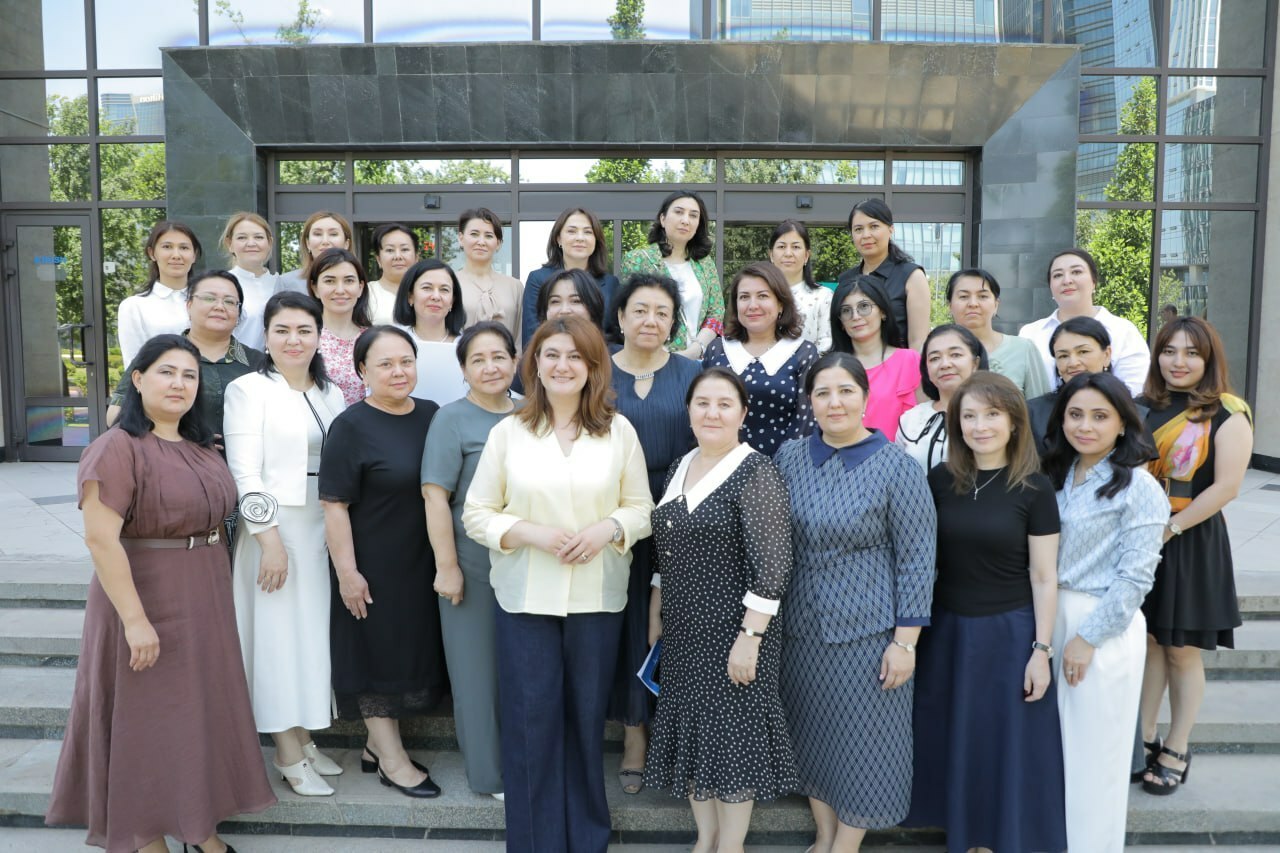
The Association aims to be a working professional community where women judges can discuss challenges, exchange experience and find support.
Alongside these initiatives, we are developing programmes for professional training, mentoring, leadership and psychological resilience. Judicial work carries a high level of responsibility and emotional pressure, and the well-being of judges should not be overlooked. One of our first practical training activities has therefore focused on stress management and emotional resilience for women judges.
We also plan to organize national and international expert meetings, professional discussions and opportunities for direct exchange between judges. We want the Association to be a working professional community — not simply an organization that holds formal events, but a place where women judges can discuss real professional challenges and find support, knowledge and new ideas.
Becoming Part of the IAWJ Community
International cooperation has been important to us from the beginning. As a young Association, we have much to learn from women judges and women judges' associations in other countries. At the same time, we believe that Uzbekistan has experiences and perspectives that can also be useful to others.
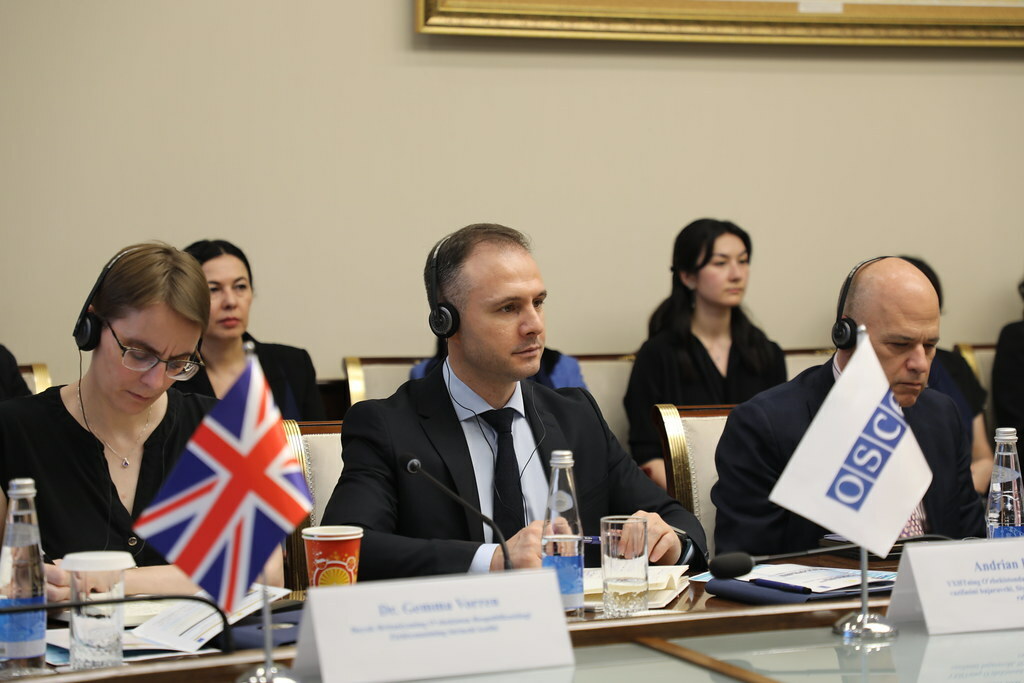
International partners and OSCE representatives joined the launch of the Association.
For this reason, becoming a member of the International Association of Women Judges (IAWJ) is an important milestone for us. It gives women judges from Uzbekistan the opportunity to become part of a global professional community, exchange experience with colleagues from different legal systems and contribute to the international dialogue on the role of women in the administration of justice.
We are particularly interested in practical forms of cooperation: mentoring between judges, joint training programmes, study visits, international meetings, exchange of judicial experience and direct professional dialogue. We would like our members to have opportunities to build relationships with colleagues in other countries and to learn from their experience.
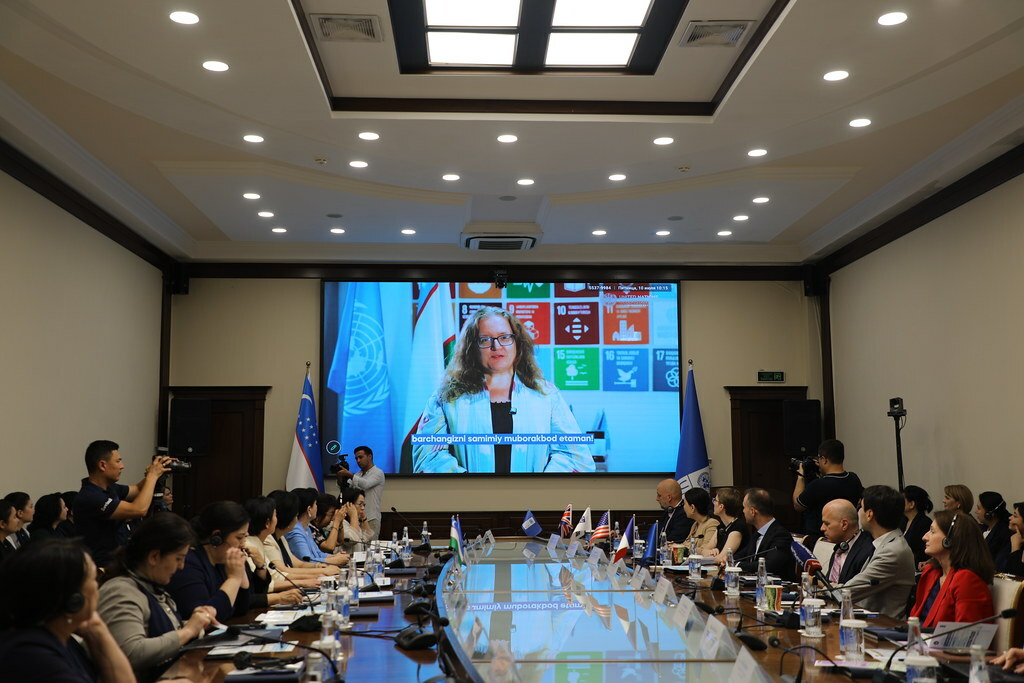
Sabine Mahl, UN Resident Coordinator in Uzbekistan, delivering a United Nations message at the launch of the Association of Women Judges of Uzbekistan.
But we also see our membership in the IAWJ as a two-way relationship. Uzbekistan is undergoing rapid modernization and significant judicial reform, while national and cultural traditions continue to play an important role in society. Women judges are working at the intersection of these changes.
Their experience — including in improving access to justice, protecting the rights of women and vulnerable groups, and adapting justice to a changing society — can also contribute to the wider IAWJ community.
Our Association is still young. We know that building a strong professional organization takes time. But the enthusiasm of more than 250 women judges who have already joined us gives us confidence that we are moving in the right direction.
A Special Appreciation
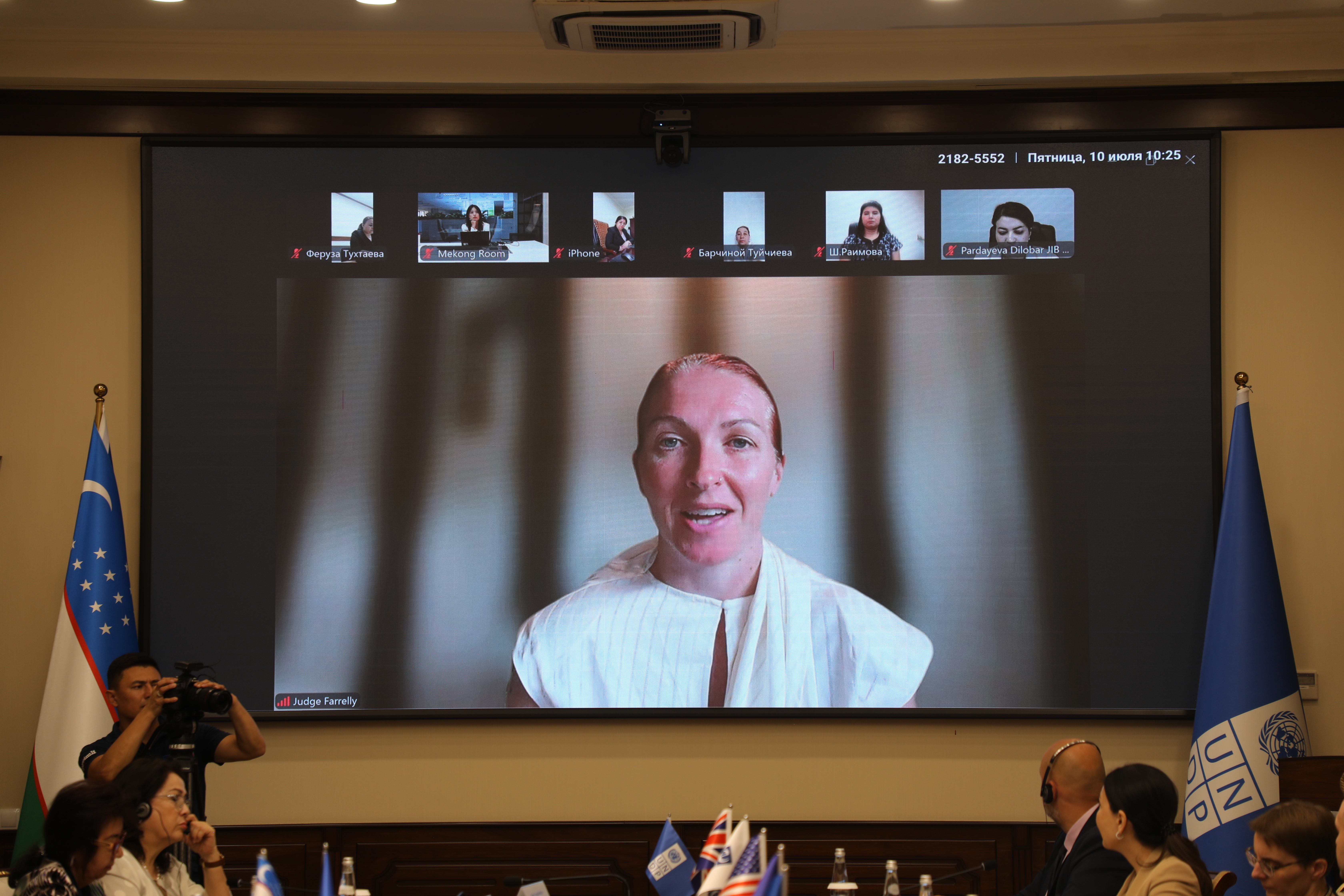
Judge Ita Farrelly, IAWJ European Regional Representative, speaking at the launch of the Association of Women Judges of Uzbekistan.
|
We would also like to express our special appreciation to Judge Ita Farrelly, IAWJ European Regional Representative, for her support and encouragement during the early stages of our Association's development. Her willingness to share her experience, stay in close contact with us and support our first steps towards the international community has meant a great deal to our young Association.
|
We want to build a community in which women judges support one another, continue to grow as professionals and leaders, and use their knowledge and experience to make justice more accessible and responsive to the people it serves.
We are very pleased to be part of the IAWJ community. We look forward not only to learning from our colleagues around the world, but also to sharing our own experience, ideas and perspectives — and, most importantly, to building lasting professional relationships and friendships with women judges across the world.
Welcome to the IAWJ community.