1. Introduction
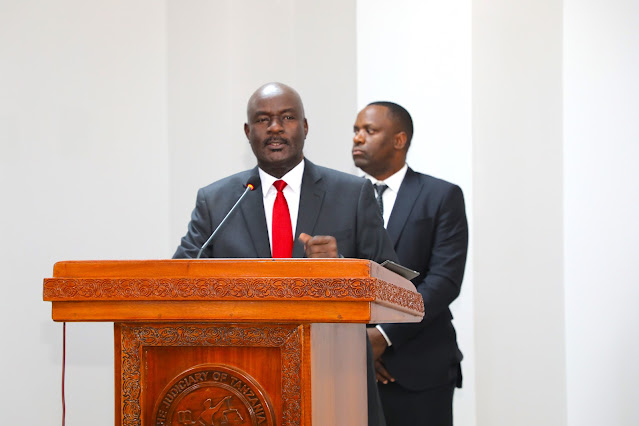
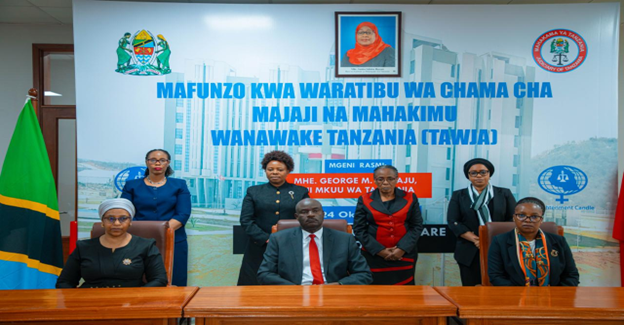
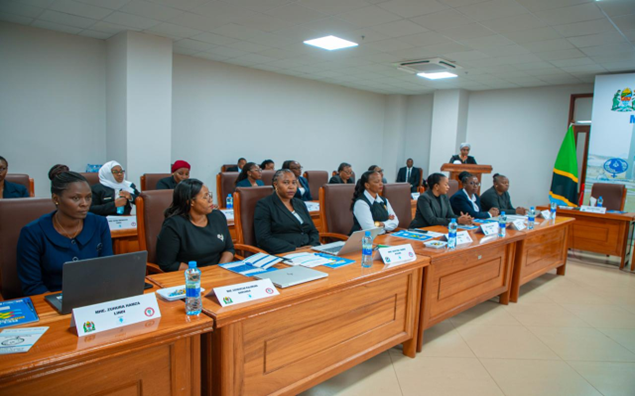
The Tanzania Women Judges’ Association (TAWJA) conducted two-days Leadership Training for Zonal Coordinators on 23rd and 24th October 2025 at Judiciary Square in Dodoma, Tanzania. The training aimed at strengthening leadership capacity, enhancing coordination, and aligning zonal activities with TAWJA’s strategic objectives. The training was officially opened by Honourable George Masaju, the Chief Justice of the United Republic of Tanzania, who commended TAWJA for its continued commitment in promoting gender justice, professional development, and institutional sustainability within the judiciary. The presence of the Chief Justice underscored the significance of the training in advancing the Association’s mission and reinforcing leadership excellence within its organizational structures.
2. Objectives of the Training
The main objectives of the training were to build the leadership and management capacities of TAWJA’s Zonal Coordinators.
The specific objectives were: i) to promote a uniform understanding and implementation of the Association’s mission, vision, and strategic priorities; ii) to strengthen zonal coordination, membership engagement, and program execution across all zones; iii) to foster accountability, sustainability, and effective communication between TAWJA’s national leadership and its zonal structures; iv) to create a platform where coordinators across Tanzania will meet, exchange experiences and impart knowledge to each other and v) to equip zonal coordinators with necessary tools and knowledge in project planning and sourcing of funds and vi) to create awareness on the linkages between TAWJA and the International Association of Women Judges (IAWJ) both at regional and international level.
These objectives were framed to ensure that zonal coordinators serve as effective links between the national executive and members across the country, thereby enhancing the Association’s overall performance, visibility and impact.
3. Overview of the Program
The training featured a comprehensive set of sessions aimed at equipping zonal coordinators with leadership skills, strategic insight and practical tools for effective performance. Participants began by sharing experiences and identifying key achievements and challenges across zones, developing a coordinated roadmap for improvement. They then explored ways to align zonal initiatives with TAWJA’s strategic plan, the Judiciary’s Strategic Plan, and Tanzania’s Vision 2050.
Subsequent sessions focused on strengthening membership engagement and expanding regional networks, while Leadership for Change emphasized communication, problem-solving, and transformational leadership to enhance TAWJA’s visibility at the grassroots level. Additional sessions on Gender Justice Coordination and Networking highlighted collaboration with justice sector stakeholders and civil society and Program Planning and Implementation provided practical guidance on planning, budgeting, and executing zonal activities effectively within TAWJA’s strategic framework.
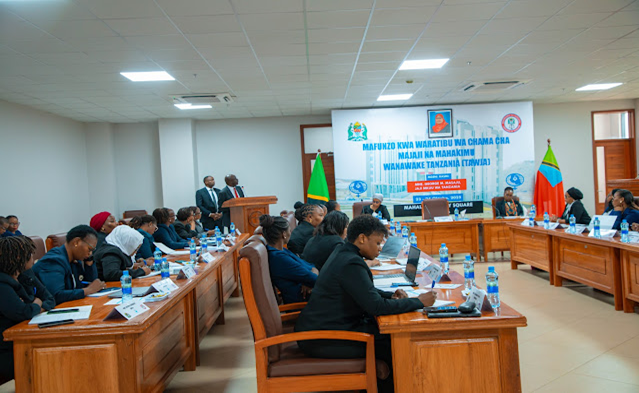
The session on Monitoring, Evaluation and Reporting equipped participants with practical tools for tracking progress, measuring impact and ensuring accountability. In the session on Addressing Gender-Based Violence and Human Rights, discussions centred on the vital role of judicial officers in promoting gender justice, safeguarding vulnerable groups, and upholding human rights principles in judicial practice.
Additionally, participants developed actionable strategies to address challenges specific to their zones, including resource constraints, limited participation, and communication gaps. These strategies were designed to promote gender justice, improve collaboration, and ensure consistency in TAWJA’s initiatives nationwide.
4. Key Outcomes
The leadership training produced several significant outcomes. Firstly, participants enhanced their understanding of TAWJA’s mission, vision, and strategic direction, ensuring a unified approach in implementing the Association’s priorities across all zones. Secondly, the training strengthened leadership, coordination, and reporting capacities among the Zonal Coordinators, thereby improving the overall efficiency and accountability of TAWJA’s regional operations. Thirdly, the training inspired a renewed commitment to collaboration, networking, and sustainability within the Association’s organizational framework. Lastly, the training created a platform for collective reflection, knowledge exchange, and leadership development, laying a stronger foundation for the continued growth and sustainability of TAWJA’s programs across Tanzania.
5. Conclusion
The Leadership Training for Zonal Coordinators marked a significant milestone in TAWJA’s efforts to empower its zonal leadership and strengthen the Association’s institutional effectiveness. The sessions provided both practical and strategic insights that will contribute to improved coordination, stronger regional engagement, and sustained advocacy for gender equality and justice across Tanzania.
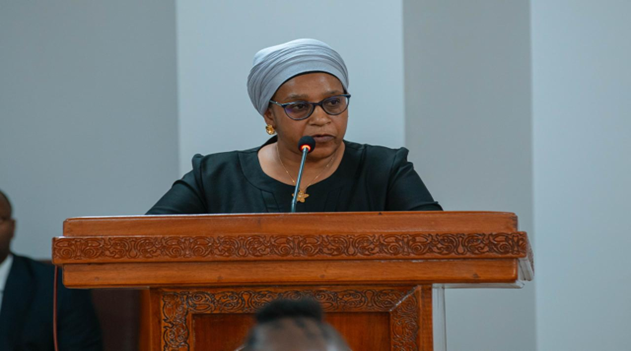
TAWJA extended its heartfelt appreciation to the Honourable Chief Justice of the United Republic of Tanzania for graciously officiating the event and for the continued support extended to the Association’s initiatives. Special recognition is also extended to Hon. Justice Barke Sehel, Chairperson of TAWJA, for her closing remarks, in which she commended participants for their active engagement and urged them to apply the knowledge gained to strengthen TAWJA’s mission and impact nationwide.
TAWJA expressed sincere gratitude to its esteemed facilitators, Dr. Atuganile Ngwala, Judge of the High Court of Tanzania (Retired) and Honourable Katarina Mteule, Judge in Charge, High Court of Tanzania at Tanga for their generous dedication of time, wealth of experience and commitment to imparting knowledge and their long experience in the work of TAWJA to the participants.
TAWJA further acknowledged the participants and partners whose commitment and contributions ensured the success of this important program. The Association looks forward to continued collaboration with IAWJ and other stakeholders in advancing leadership, gender justice and empowerment within the judiciary.